How to Inspect a Septic System:
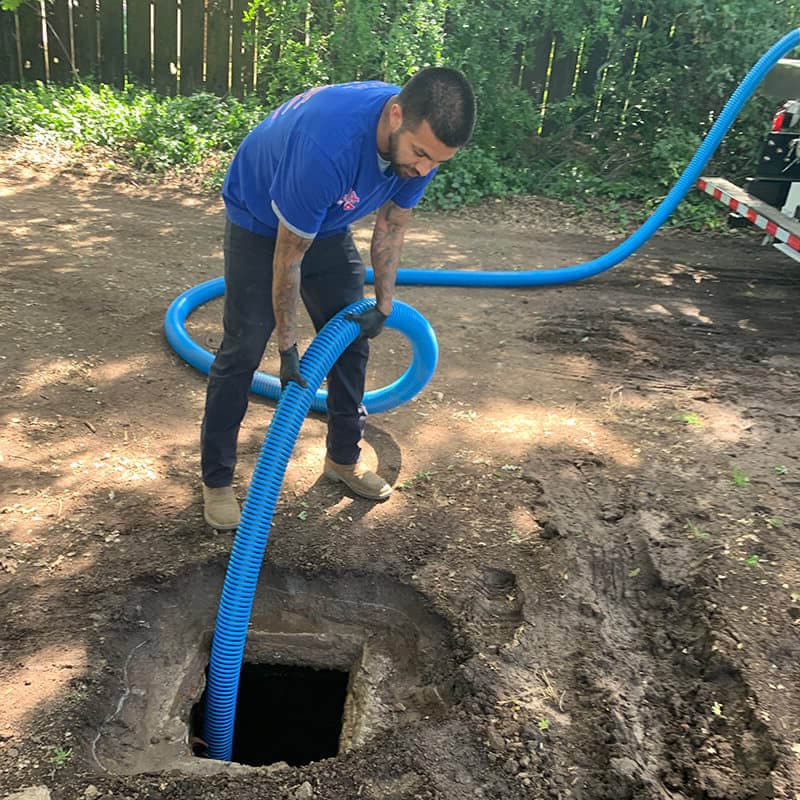
Unless you have experience with septic systems and know what you are looking for, it is best to hire a professional to conduct the septic system inspection. When conducting the inspection, things the technician will review are:
- Conditions of septic pipes.
- Dye test (this checks for possible septic system leaks).
- Efficacy of the septic tank.
- Fluid levels being housed in the septic tank.
- Septic leach field analysis.
Septic inspections start with a visual review of the observable portions of the septic system. The technician is keeping an eye out for any breaks, pooling of water and signs of septic system back up.
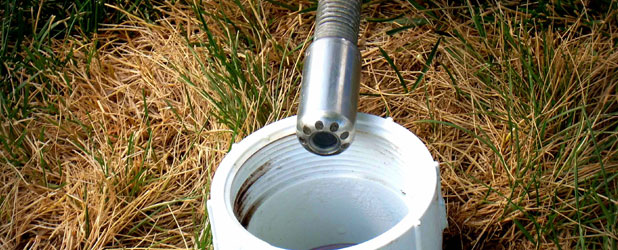
When the inspector is finished the next step is to run a sewer line camera through the septic mainline to check on the condition of the pipes for the septic system. We will also identify the level of fluids in the septic tank. While the camera is inside the septic tank the technician will check on the integrity of the septic tank.
The next phase of the camera inspection is to review the outlet pipe that carries wastewater from the septic tank to the leach fields. Camera inspections also check for septic line buildup, breaks in the septic pipes and root intrusions.
The final component to the inspection is to ensure the septic drain fields are in proper working order. It is highly important the leach fields are in good condition. The technician will be on the lookout for any sewage build up or breaks in the septic system.
When the inspection is completed you will be notified of any concerns regarding your septic system. If there are recommendations for repair due to a failed septic tank inspection, the technician should provide valuable information as to the cause of the damage and what the septic system repair cost will be.
The best answer at the end of a septic tank inspection is a report that the septic system has passed and is in good working order!